Feb. 22nd - Dont miss Cé a Chónaigh i mo Theachsa?’ / ‘Who Lived in My House?’ . Glin Castle, Co. Limerick. TG4 10pm Thurs 23rd Feb. » visit production

Main logo for Tile Films

Cé A Chónaigh I Mo Theachsa? (Series 2) · (Who Lived in My House?)

(22/02/12) : "Dont miss Cé a Chónaigh i mo Theachsa?’ / ‘Who Lived in My House?’ . Glin Castle, Co. Limerick. TG4 10pm Thurs 23rd Feb. "


CÉ A CHÓNAIGH I MO THEACHSA? (SERIES 2) (2012)

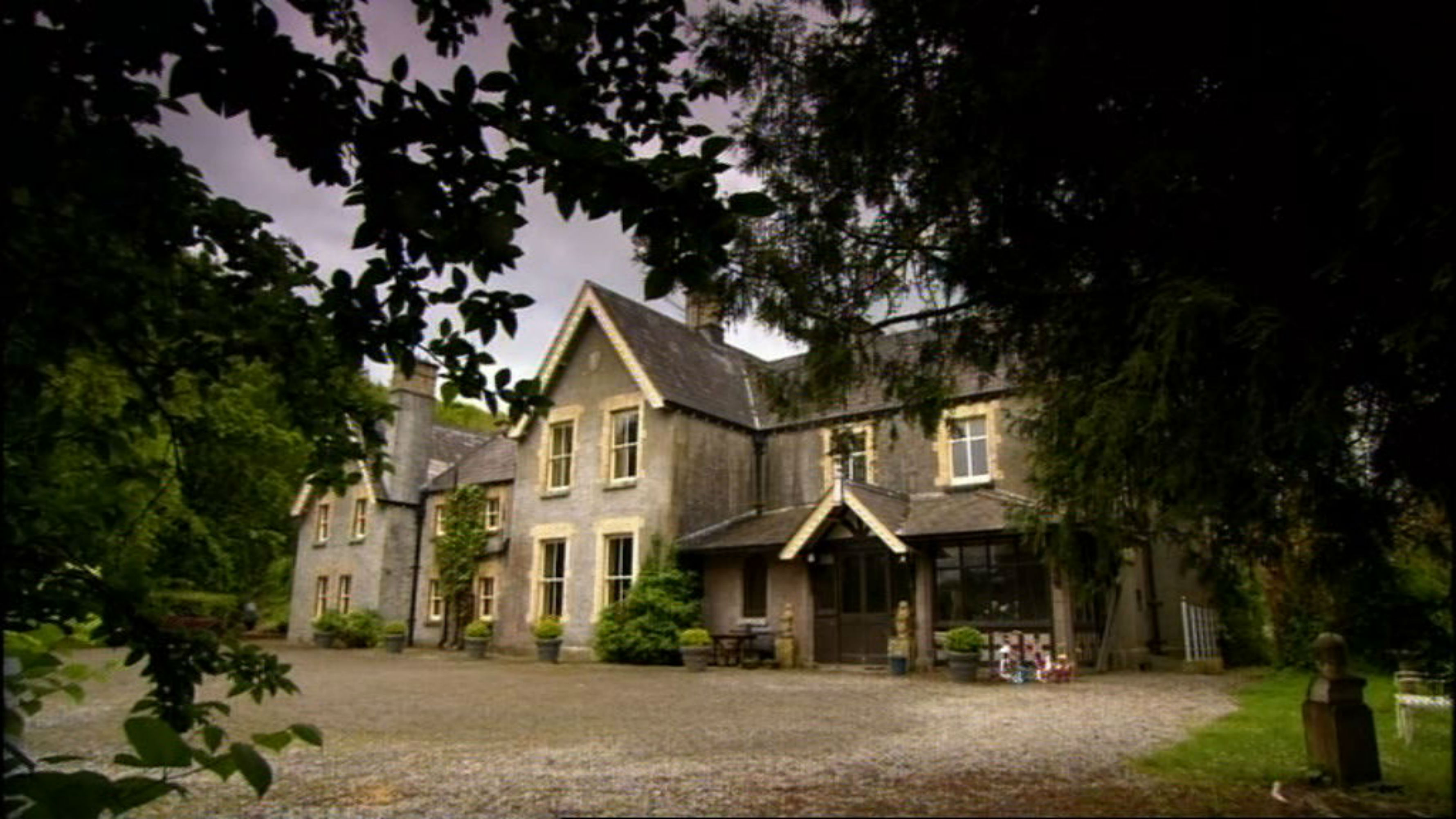
For centuries Glin Castle, nestled at the stunning mouth of the Shannon, has been home to the black knights of Glin, one of the oldest Anglo-Norman families in the country. Featuring the last ever interview with Desmond Fitzgerald, the 29th Knight of Glin, this episode tells a 700 year long tale, revealing how the Black Knights championed Gaelic culture through revolution and patronage.

x close

    MORE TILE FILMS PRODUCTIONS & DOCUMENTARIES:

  • click to play
     Glin Castle, Co. Limerick. Ireland

    Glin Castle, Co. Limerick. Ireland

  • click to play
    Dalaigh House on the Great Blasket Island, Ireland

    Dalaigh House on the Great Blasket Island, Ireland

  • click to play
    Ce a Chonaigh i mo Theachsa? / Who Lived in my House? - Season 2 Ep 5 Kilruddery House, Co. Wicklow TG4 10pm Thurs 9th Febru

    Ce a Chonaigh i mo Theachsa? / Who Lived in my House? - Season 2 Ep 5 Kilruddery House, Co. Wicklow TG4 10pm Thurs 9th Febru

  • click to play
    Ce a Chonaigh i mo Theachsa? EP. 4  Aughavannagh Series 2

    Ce a Chonaigh i mo Theachsa? EP. 4 Aughavannagh Series 2

  • click to play
    'Ce a Chonaigh i mo Theachsa?'   Episode 3 Ballynahinch Castle

    'Ce a Chonaigh i mo Theachsa?' Episode 3 Ballynahinch Castle

  • click to play
    Ce A Chonaigh I Mo Theachsa? Mount Vernon

    Ce A Chonaigh I Mo Theachsa? Mount Vernon

  • click to play
    'Ce a Chonaigh i mo Theachsa?' Coolatore House

    'Ce a Chonaigh i mo Theachsa?' Coolatore House

In the second Series of ‘Cé a Chónaigh i mo Theachsa?’ presenter Manchán Magan, sets out to unlock the extraordinary stories hidden in the walls of our houses and who lived in them before us.

TEXT BY STEPHEN ROOKE / FRIDAY 11TH MAR 2011 (11 MONTHS, 2 WEEKS AGO) / 0 COMMENTS / 2008 WORDS / 1035 VIEWS


The official release date for Cé A Chónaigh I Mo Theachsa? (Series 2) is January 2012

Veteran traveller and broadcaster, ManchánMagan takes us on a fascinating journey into the history of our houses. With the help of the experts, he will examine the existing architectural evidence of our houses, speak to neighbours, family members, local historians, and delve into the National Archives, local libraries and Registry of Deeds to discover the colourful characters of the past who kept their front door key under the mat of the same front step over a century ago.

The twelve house stories will cover more than 500 years of Irish history – each house being a portal into the past. Manchán will be delving into archives unopened for decades to reveal incredible stories of the lives of those who have lived in our houses before us. He’ll discover how a house in Westmeath built on the lands of ancient kings of Ireland inspire popstar Michael Jackson when he lived there in 2006. Who planned to rescue Marie Antoinette and hide her in a house in Dingle? And who killed five clients and buried them in the basement of her brothel, now a youth hostel in Temple Bar? Other houses include actor Eámon Morrissey’s Aughavannagh cottage, built amongst fairy forts; the ostentatious Wexford country house where one of Ireland’s greatest designers, Eileen Gray, was reared; and the house in the Burren built with the help of US president George Washington.


Manchán says of “Cé a Chónaigh i moTheachsa”:
“For me, the thrill was knowing that each time I knocked on the door of a house, I was setting in train a mystery, embarking on a journey to bring the forgotten shadows into the light, to give the walls and windows their time to speak. Every old house wants to tell its story, but it just doesn’t have the words. You need to help it speak. It wants you to, and if you take on the challenge, you feel as though it’s following you every step of the way, helping you at times, directing you towards sources of information that you never would have guessed; but hindering you at times too. Houses have their secrets, and the thrill is getting beyond these to uncover a new perspective on an old world.”
  

ManchánMagan’s brother, internationally acclaimed director RuánMagan - directs. Manchan and Ruán are a dynamic duo, who have travelled the world making a series of award winning documentaries titled “ManchánarSeachrán” for TG4. Following a 7 year break, Tile Films brought them back together again to produce the high-end, intriguing and highly entertaining series ‘Cé a Chónaigh i moTheachsa?’. The series was made possible through the financial support of TG4 and the Section 481 investment incentive for the Irish Film Industry provided by the Government of Ireland.

Episode 1

COOLATORE HOUSE - Moate, Co. West Meath is the first of the houses Manchan visits and the programme goes out on TG4 at 10pm Thursday 12th January 2012 and is repeated at 9 pm on Friday the 15th January. According to the precious Táin manuscripts the Ancient Kings of Ireland were the first settlers on the land where Coolatore House now stands.

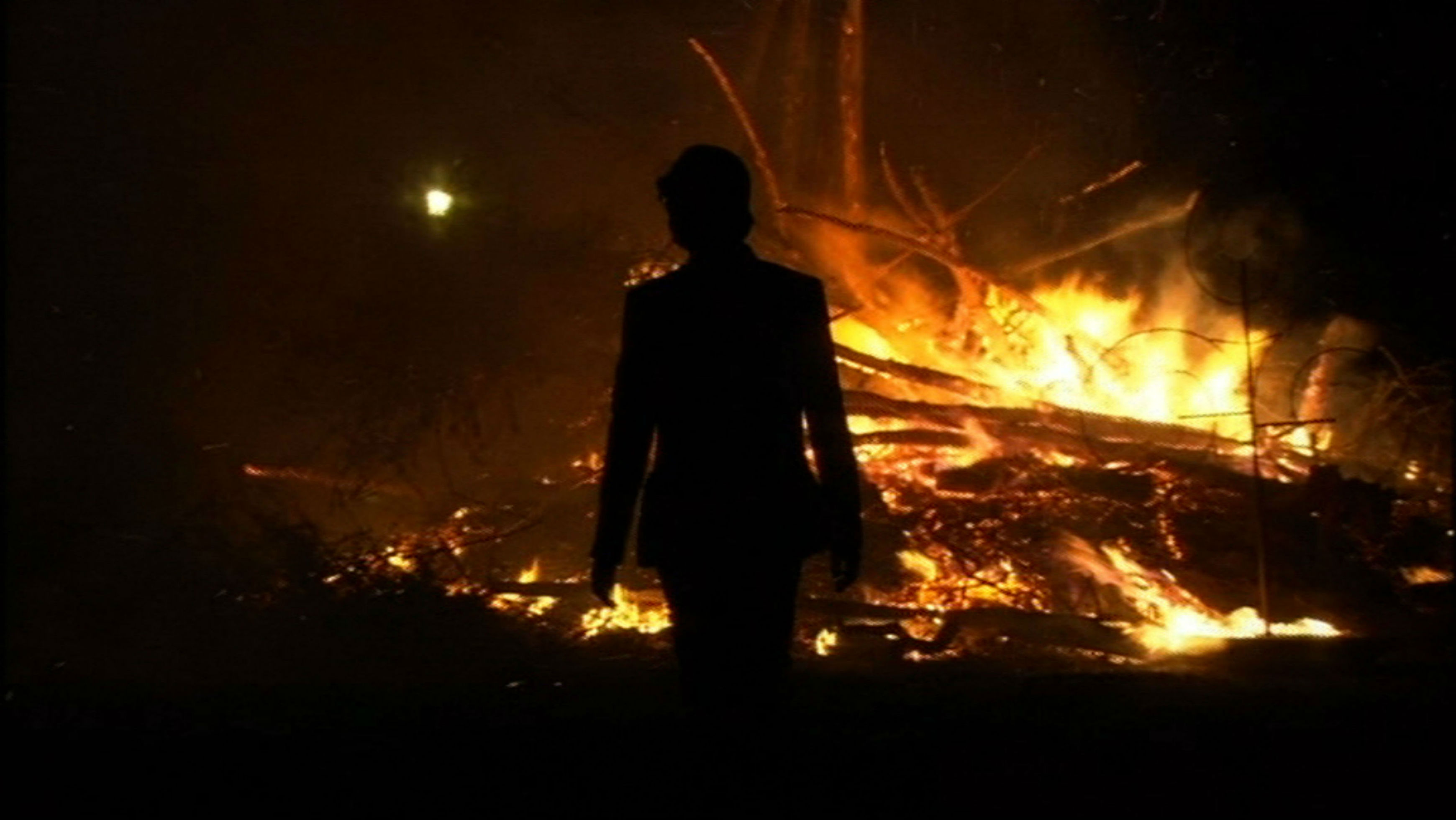
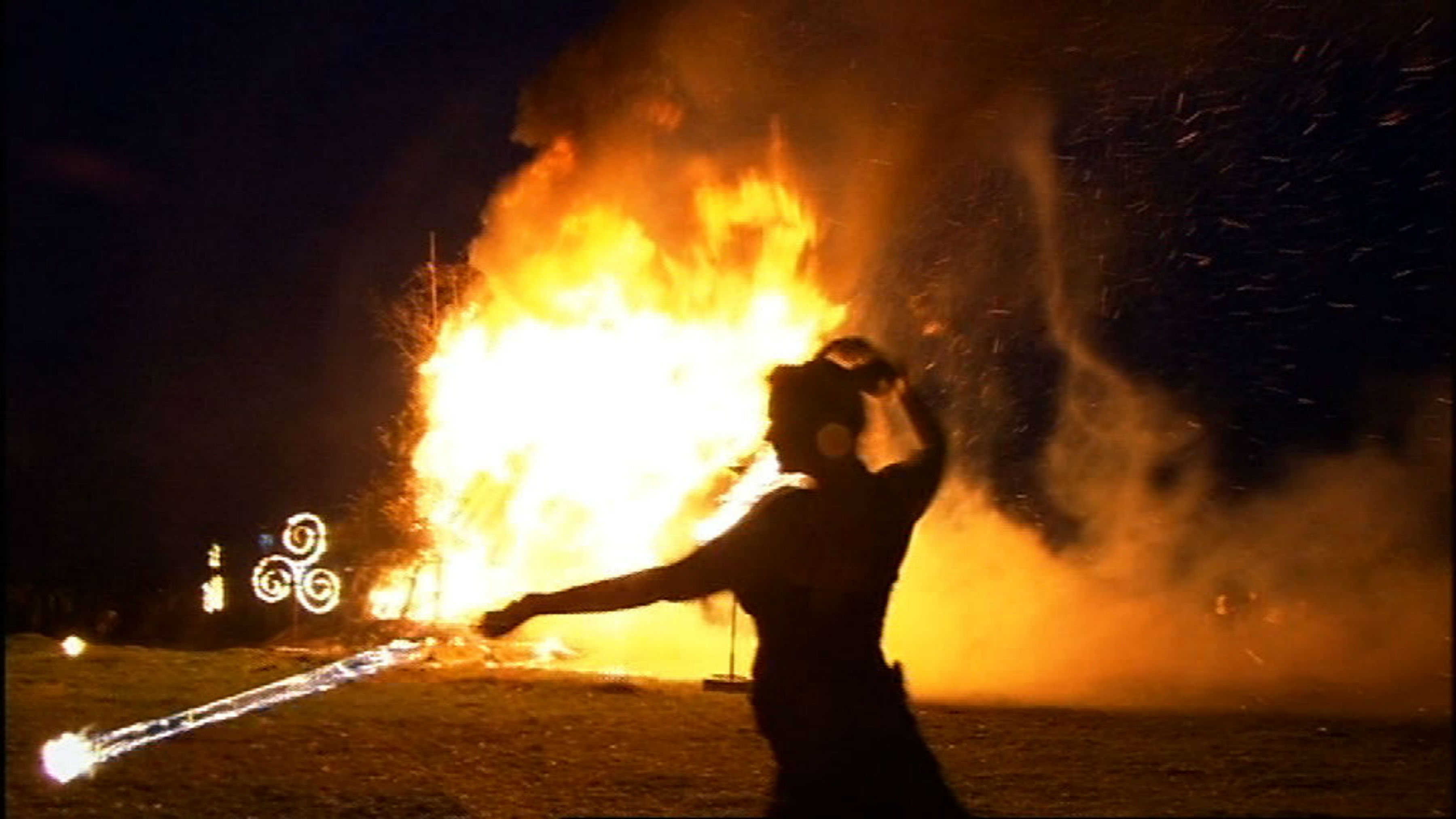
While the media were accusing him of having a sex change in Paris, Michael Jackson, the King of Pop, was living here with his children and recording music. Donal Scanlon, the world’s greatest Spin Doctor, owned and lived in Coolatore House in the 1990’s. He used the front dining room as his office while he master-minded Bill Clinton's defence during the Monica Lewinsky scandal. REM and Shirley Bassey have recorded albums in the stables that have been converted into recording studios. At the magnificent Festival of Fires on the nearby Hill of Uisneach, Manchán  discover's why so many have been drawn to this house and these ancient lands.


Episode 2

On the craggy shores of the Burren in Co. Clare sits the Mount Vernon, built in 1788 by Colonel William Persse and named Mount Vernon to celebrate his friendship with the US president George Washington. Manchán discovers the inspiration its later inhabitants - Lady Gregorgy, Hugh Lane and WB Yeats found on within its walls

Mount Vernon has battled the elements of the Atlantic Ocean on the ragged shores of the Burren in Co. Clare since 1788. It was built by Colonel Persse a friend of the first president of the United States, George Washington. Persse’s grand nephew, Ireland’s greatest art collector, Hugh Lane, lived in the house in 1880. When the Lusitania was torpedoed and sank in 1915, Lane was on board and sank with the ship and his latest collection of Monet, Ruben and Rembrandt paintings. The house was passed onto Lane’s aunt, Lady Augusta Gregory, one of the most pivotal figures in the Irish cultural renaissance. It was in Mount Vernon, Manchán will discover, that she entertained WB Yeats, George Russell, Sean O'Casey, JMSynge and George Bernard Shaw and he’ll find out why Yeat’s dedicated his famous poem to Gregory’s son – Robert Gregory.

Episode 3

In one of Connemara’s most cherished houses - Ballynachinch Castle – Manchán investigates the story of Ranji the Indian Prince and Humanity Dick the prince Connemara never had and whether or not Wolfe Tone was the true father of Humanity Dick’s daughter Latitia.

Ballynahinch Castle is set in spectacular ancient woodland and on the banks of the richest salmon & trout river in Ireland. This is the story of two princes - the Indian Prince Ranji who owned the Castle in the 1930's and spent lavishly in the area and the Prince Connemara never had ‘Humanity Dick’ – the duellist and founder of the RSPCA in 1822. While delving into the lives of the princes, Manchán will also investigate whether there is any truth behind the rumours that the Irish Rebel, Wolfe Tone was the father to ‘Humanity Dick’s eldest child, Latitia!

Episode 4

Amongst the ancient fairy forts surrounding actor Eamon Morrissey’s cottage in Aughavannagh in Co. Wicklow, Manchán finds stories of the ancient fairy people who once inhabited the land and stories of the Irish rebels that later fought and died for it.

“Aghavannagh is the last place God made” – so goes local Wicklow proverb. Actor and Writer Eamon Morrissey’s charming cottage was built deep in the heart of Wicklow amongst the ancient fairy forts, over two hundred years ago. This mythical area was to become the heartland of Gaelic Ireland, long after other parts of the country had fallen to English rule. The Wicklow Mountains and valleys harboured many Irish rebels and were a maze from the point of view of the English soldiers. Through a major feat of engineering, the English built Military Road straight through this wilderness to quell Irish Rebellions here once and for all. The road stopped at Eamon’s cottage. Manchán is keen to uncover the ancient fairy myths that surround and protect Eamon’s cottage and whether the cottage harboured friend or foe. 

Episode 5

“The Tudors”, “Camelot”, “Excalibur” and “Far and Away” are all associated with Killruddery House in Bray. For the first time, Lord and Lady Meath have allowed a documentary television crew into their home to tell the fascinating story of their house and family.

Killruddery is a story of sword fighting knights, American and Irish Film Stars and the building of the city of Dublin. Killruddery is probably the most filmed location in Ireland ‘Far and Away’, ‘Excalibur’, ‘The Tudors’ and ‘Camelot’ all shot epic scenes in the house and grounds of Killruddery. The Brabazon family (who still live here) can trace their line back as far back as William the Conqueror and his historic invasion of England in 1066. Manchán will follow the trail of the ancient Knights and discover how a fascinating dispute over the Killruddery lands led to King Henry VIII’s historical break with Rome.

Episode 6

BLASKET ISLAND - (Ó DÁLAIGH HOUSE) Co. Kerry Manchán visits a cottage to which the ‘Sí’ reputedly gifted the owners the mystical air Port na bPúcaí, a tune so powerful it can call whales to the surface, and he finds the island may have been inhabited since prehistoric times.

Off the coast of Kerry, lies the Great Blasket Island - it is perhaps the most inspiring and stunning remnant of old Ireland that exists today. In 1910, the highly praised English scholar Robin Flower claimed the Blasket Islanders were the oldest continuing tradition in the British Isles. The Irish government completely evacuated the Island in 1953, so sadly it is now uninhabited and yet the presence of its people remains so strong. Laois Ó Dálaigh invites Manchán to delve into the history of her former family home on the island. In telling their hugely rich heritage and heartbreaking story, Manchán investigates whether the world renowned Irish Waltz ‘Pórt na bPúcaí’ / ‘Music of the Fairies’ was originally composed by Laois’s great great grandfather Martin Ó Dálaigh or whether it was passed down to his family from the ghosts of the neighbouring island Inis Mhic Aoibhleáin!

Episode 7

For centuries Glin Castle, nestled at the stunning mouth of the Shannon, has been home to the black knights of Glin, one of the oldest Anglo-Norman families in the country.

Featuring the last ever interview with Desmond Fitzgerald, the 29th Knight of Glin, this episode tells a 700 year long tale, revealing how the Black Knights championed Gaelic culture through revolution and patronage.

This is a story of battles, beheadings and executions of being hunted like vermin across Ireland for treason and of fostering the Irish language at a time when no one cared for it. The 24th Knight, John Fraunceis FitzGerald (1791-1854) was a fluent Irish language speaker and scholar who did much to promote the Irish language long before it became fashionable in the days of the Gaelic revival. However, he was also a known womaniser who went by the nickname, Ridire na mBan (Knight of the Women). But he was not insensitive to injustices against women and after the body of the young woman Ellen Hanley was found near Glin Castle in 1819 he did his best to bring her alleged murderer to justice (the incident inspired the famous melodramatic play 'The Colleen Bawn'). Manchán meets the last Knight of Glin – Desmond Fitzgerald in the final interview that was filmed with him before he passed away on the 15th Sept 2011. He discovers that the 29th Knight of Glin was one of the Irish Georgian Societies titans and one of the greatest champions of Irish Art. And his death now marks the end of an era for the knights of Glin as, with no son to inherit the 700-year-old title, the unbroken line of knights who lived at Glin Castle has ended. Ní bheidh a leithedí arís ann.


RELATED BLOG POSTS


» see all 5 blog entries


DISCUSSION (0 COMMENTS)